




Exploring the historical evolution of gambling practices across cultures
The Origins of Gambling
The roots of gambling can be traced back to ancient civilizations, where games of chance were often intertwined with religious practices and cultural rituals. Archaeological findings suggest that rudimentary forms of gambling were present in Mesopotamia as early as 3000 BCE, with dice made from animal bones being discovered. These early forms of gambling were often conducted during religious ceremonies, making them a significant part of social life and spiritual beliefs in these communities. Today, platforms like mafia-casino.nz continue this tradition, offering thrilling gaming experiences.

In ancient China, gambling gained popularity with the invention of games like Keno, which dates back to the Han Dynasty around 206 BCE to 220 CE. This game was initially used to fund government projects such as the Great Wall. Similarly, in ancient Rome, betting on gladiatorial games became a widespread practice, illustrating how gambling was used to enhance entertainment and community bonding. Such historical references highlight the pervasive nature of gambling across different cultures and eras.
As societies evolved, gambling practices adapted and transformed, reflecting changes in social norms, economy, and technology. For instance, during the Middle Ages, gambling became associated with the nobility, who often played card games for money. This shift marked a significant evolution in gambling practices, transitioning from religious and social rituals to more formalized games that focused on skill and strategy.
Gambling in Ancient Civilizations
Ancient Egypt also had its share of gambling practices, where games involving dice and betting were a common pastime. Historical records indicate that the Egyptians played a game called Senet, which not only involved strategy but also betting elements. These games often reflected cultural beliefs, as they were believed to be a way to engage with the divine and seek fortune. The connection between gambling and spirituality continued to be a recurring theme in ancient cultures.
In India, gambling has a long-standing tradition as well, with the game of Pachisi being played by royalty. This game, often referred to as the “Royal Game of India,” involved betting and was played on elaborate boards. It illustrates how gambling served both entertainment and social status, especially among the elite. The historical evolution of gambling in these ancient civilizations reflects diverse cultural values and the varying significance of chance and luck in their societies.
Throughout history, gambling was not merely viewed as a vice but rather as a legitimate form of entertainment and social engagement. Many ancient texts and artworks depict gambling scenes, illustrating its integration into cultural narratives. As these civilizations expanded and interacted with one another, they influenced each other’s gambling customs, leading to a rich tapestry of practices that would shape modern gambling.
The Middle Ages to the Renaissance
The Middle Ages marked a complex relationship with gambling, where it was both embraced and condemned. In Europe, church leaders often denounced gambling, labeling it as sinful, yet this did not hinder its popularity. The emergence of card games during this time saw a surge in gambling activities among various social classes, with games such as Tarot and Piquet becoming widespread. This duality of acceptance and condemnation characterized gambling’s evolution during this era.
With the onset of the Renaissance, gambling underwent another transformation. The period saw the formalization of gambling establishments, such as the first casinos in Venice in the 1630s. These establishments catered to the burgeoning middle class and became social hubs for gambling, where people could enjoy games of chance in a more structured environment. This evolution represented a shift from informal betting to organized gambling, paving the way for the modern gaming industry.
During this time, literature and art began to reflect the nuances of gambling, showcasing its social implications and the psychological aspects of risk and reward. Writers such as Shakespeare incorporated gambling into their works, demonstrating its cultural significance. The Renaissance laid the groundwork for gambling as a structured entertainment form, influencing future practices across Europe and beyond.
The Industrial Revolution and Modern Gambling
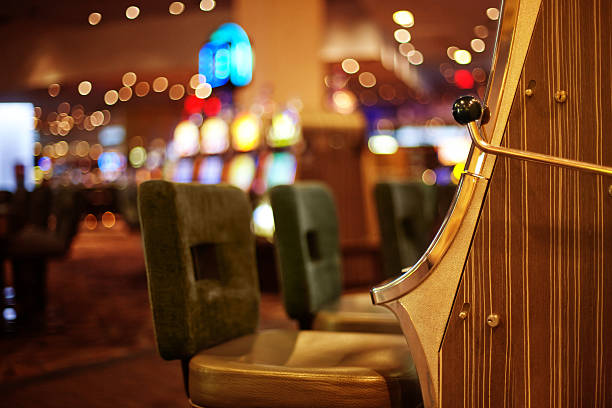
The Industrial Revolution played a pivotal role in reshaping gambling practices globally. With urbanization, people flocked to cities, leading to a significant increase in gambling activities. The introduction of mechanical gaming machines in the late 19th century, such as the one-armed bandit, revolutionized the way people engaged with gambling. This period marked the transition from traditional forms of betting to a more mechanized and accessible approach.
During this time, the establishment of regulatory frameworks began to take shape, as governments recognized the potential for taxation and revenue generation through legalized gambling. The creation of state lotteries and horse racing betting became more prevalent, allowing for organized and regulated gambling activities. This regulation aimed to protect players while generating funds for public services, reflecting a shift towards a more socially responsible approach to gambling.
As gambling practices evolved, technology continued to play a significant role. The introduction of the internet in the late 20th century marked another revolutionary phase, leading to the rise of online casinos and virtual betting platforms. This digital transformation has democratized access to gambling, making it available to a broader audience while posing new challenges in terms of regulation and player safety.
The Globalization of Gambling Practices
In recent years, the globalization of gambling practices has been propelled by the interconnectedness of cultures and advancements in technology. Countries around the world have embraced gambling as a significant aspect of their entertainment industry, with diverse offerings ranging from traditional games to innovative digital platforms. The proliferation of online gambling has led to an explosion of options for players, showcasing various cultural games and practices.
This globalization has also brought about cultural exchange, where traditional games from one region are adapted and embraced in another. For example, poker, which originated in the United States, has gained immense popularity worldwide, leading to international tournaments and a thriving online community. Similarly, Asian gambling practices, such as Mahjong and Sic Bo, have found their way into Western cultures, fostering a greater appreciation for global gaming traditions.
However, this global trend also raises concerns regarding gambling addiction and responsible gaming. As accessibility increases, so does the need for awareness and preventive measures. Many countries are now implementing regulations to promote responsible gambling and protect vulnerable populations, ensuring that the evolution of gambling remains a positive force in society.
Conclusion: The Future of Gambling Practices
As we look towards the future, the evolution of gambling practices continues to unfold. Online gaming platforms, such as Mafia Casino, exemplify the modern age of gambling, offering an extensive range of games and betting options for players. This platform reflects the culmination of centuries of gambling evolution, catering to diverse player preferences and ensuring a safe, engaging experience.
Mafia Casino stands out not only for its vast selection of over 4,000 games but also for its commitment to player safety and fairness. With generous welcome bonuses and promotions, it welcomes new players into the vibrant world of online gambling, showcasing how tradition and innovation can coexist in this dynamic industry. As gambling practices continue to evolve, platforms like Mafia Casino will play a crucial role in shaping the future landscape of gaming.