




Exploring the psychology of gambling: Why do people play in casinos?
The Thrill of Uncertainty
The allure of gambling largely stems from the excitement of uncertainty. When individuals enter a casino, they are faced with the possibility of winning or losing, and the unpredictability involved creates an adrenaline rush that can be addictive. This thrill is intensified by the environment of the casino, where bright lights, vibrant sounds, and bustling crowds contribute to an exhilarating atmosphere that heightens emotions and amplifies the experience.
Moreover, this unpredictable nature of gambling often triggers the brain’s reward system. When players experience a win, even a small one, their brains release dopamine, a neurotransmitter associated with pleasure. This chemically induced high not only makes the experience enjoyable but reinforces the behavior, leading individuals to return for more. This cycle is a compelling reason why many find themselves repeatedly drawn to casinos.
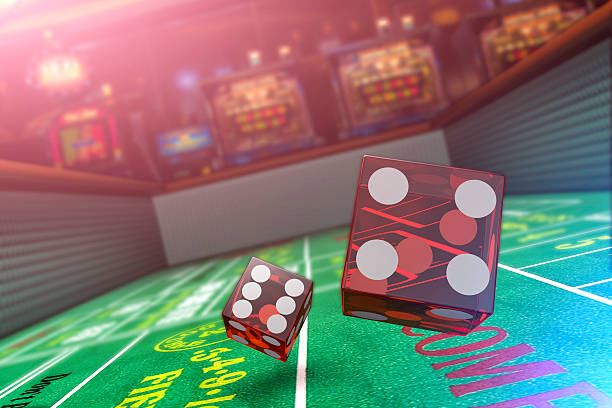
Alongside the excitement of potential wins, the anxiety tied to losses also contributes to this thrill. The fear of missing out on a big win can compel players to take risks they might normally avoid. This complex interplay of emotions creates a potent cocktail that makes the gambling experience both thrilling and, at times, overwhelming. Players often find themselves weighing the excitement of a possible win against the dread of a potential loss, which adds yet another layer to their gambling experience.
The Social Aspect of Gambling
Another significant factor influencing people to gamble is the social dynamic present within casinos. These venues often act as social hubs where friends gather to engage in games, share stories, and celebrate wins together. The communal aspect of gambling can create a sense of belonging and companionship, making the experience more rewarding beyond mere financial gain.
In addition, the interactions between players can stimulate excitement and competition, further captivating individuals and enhancing their urge to keep playing. Socializing while gambling can turn an individual pursuit into a shared experience, blurring the lines between personal enjoyment and social engagement. Playing games with friends often leads to laughter and camaraderie, which can create lasting memories that enhance the overall gambling experience.

This social connection also extends to strangers who may bond over a shared table or machine. The emotional highs and lows of betting are often magnified when experienced collectively, making victories sweeter and losses more bearable. People can form instant connections, networking with others who share similar interests. In this way, gambling transforms into a social event, often becoming as much about the people as it is about the games themselves.
Vulnerability and Escape
For some individuals, gambling serves as a means to escape from real-life stresses or challenges. The casino environment provides a temporary reprieve from everyday responsibilities and worries, allowing players to immerse themselves in a dream-like state where the pressures of life seem to fade away. This escape can be particularly appealing for those facing financial difficulties, relationship issues, or mental health struggles.
However, this escape can quickly morph into negative consequences, particularly when individuals begin to lose track of time and money spent. The initial relief can turn into a cycle of chasing losses, leading individuals to gamble more intensely to regain what they lost. Such behavior can create an unhealthy relationship with gambling, often resulting in addiction and severe financial distress. The temporary relief that gambling provides may offer an illusion of control, but it can quickly devolve into a precarious situation.
Moreover, factors such as loneliness and boredom can further drive people to seek solace in gambling. In an attempt to fill emotional voids, individuals may turn to casinos, only to find that their problems linger long after the dice have been rolled or the cards have been dealt. It raises important questions about evaluating gambling as a coping mechanism versus seeking healthier ways to manage life’s challenges.
The Role of Marketing and Environment
The marketing tactics used by casinos play a pivotal role in attracting players. From loyalty programs to complimentary meals and drinks, these incentives are designed to encourage visitors to stay longer and spend more. The layouts of casinos themselves are usually designed to disorient players, keeping them engaged and less aware of time, thus fostering prolonged gambling sessions.
Furthermore, the use of subliminal messaging and design elements, such as the placement of slots or gaming tables, serves to influence player behavior. These strategic layouts encourage individuals to gamble more, often leading to spontaneous decision-making and betting beyond their means. This systemic reinforcement makes it easier for people to lose track of their gambling habits, contributing to the psychological challenges associated with casino play.
Casinos are often designed to create a sense of urgency and excitement, featuring alluring signage and sounds that beckon players towards the next game. This environment makes it difficult to maintain self-control, as the excitement builds with each spin of the reels or shuffle of the cards, creating an almost hypnotic effect. It’s essential to recognize the power of these tactics, as they can easily trick even the most resolute individuals into making impulsive choices that they wouldn’t consider in other contexts.
Enhancing Your Gambling Experience
Whether you’re a casual player or someone who takes gambling more seriously, understanding the psychological aspects of this activity can significantly enhance your experience. It’s vital to remain aware of the emotional and social factors at play when stepping into a casino. Rational decision-making, budgeting your gambling funds, and setting time limits can create a more enjoyable and sustainable gambling experience.
For those who prefer a more convenient option, exploring online gaming can be equally satisfying. Many platforms provide engaging, immersive experiences similar to physical casinos, often with the added benefits of lower stakes and the comfort of playing from home. Check out the best online real money pokies australia for a thrilling gaming experience at your fingertips.
Additionally, embracing a mindset focused on fun rather than solely on profit can transform your gambling experience into something less stressful and more enjoyable. By viewing gambling as a form of entertainment rather than a financial endeavor, players can maintain a healthier perspective that ensures they engage responsibly. This shift in mindset not only promotes a more positive experience but can also help mitigate the risks associated with gambling addiction, allowing for a balanced approach to this complex activity.