Comparing the thrills of online and offline casinos Which is more exhilarating
The Excitement of Offline Casinos
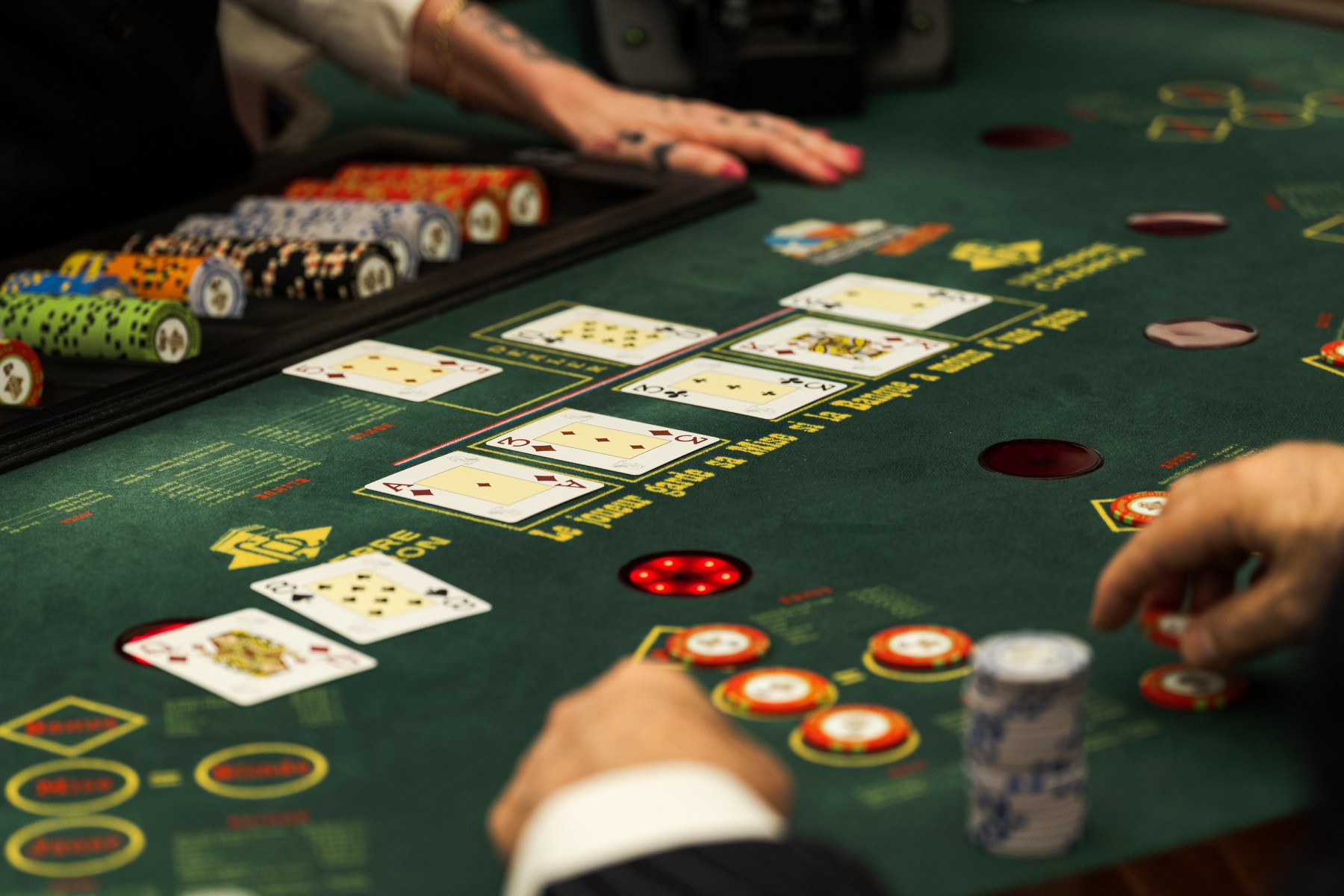
When stepping into an offline casino, players are often immediately enveloped by the vibrant atmosphere. The sounds of slot machines chiming, the clinking of chips, and the murmur of excitement create an exhilarating environment that is hard to replicate. This sensory stimulation can heighten the adrenaline rush associated with gambling, making each win feel more significant. Those seeking excitement might also consider aus online pokies as an alternative to enhance their gaming experience.

In addition to the ambiance, offline casinos offer a social aspect that many players cherish. Engaging with fellow gamblers, sharing stories, and celebrating victories together foster a sense of community that enriches the gaming experience. The thrill of placing bets while surrounded by others amplifies the emotional highs and lows that come with gambling.
The Convenience of Online Casinos
In contrast, online casinos bring the thrill of gambling right to the player’s fingertips. With the ability to play from the comfort of home or on the go, convenience is a significant advantage. Players can access a wide variety of games at any time, eliminating the need to travel and wait in line. This flexibility allows for a more personalized gaming experience, catering to individual preferences and schedules.
Moreover, online casinos often provide generous bonuses and promotions that enhance the overall excitement of the game. Players can take advantage of welcome bonuses, free spins, and loyalty programs that offline casinos may not offer. This aspect of online gambling can lead to increased potential for winnings, making the experience even more exhilarating.
The Variety of Games Available
Both online and offline casinos boast a diverse selection of games, but the extent of this variety can differ significantly. Offline casinos typically have a limited number of machines and tables due to physical space constraints. While popular games like poker, blackjack, and roulette are staples, players may find their choices restricted.
Conversely, online casinos host an extensive range of games, from classic slots to innovative table games and live dealer experiences. This vast array not only keeps players engaged but also allows them to explore different styles and strategies without the pressure of a crowded casino floor. The ability to switch games seamlessly can lead to a more dynamic and thrilling gambling experience.
Understanding the Risks and Rewards
While both online and offline casinos present opportunities for financial gain, they also come with inherent risks. Offline casinos typically enforce strict age verification and responsible gambling practices, providing a level of safety for players. However, the physical nature of gambling can sometimes lead to impulsive decisions, particularly in a bustling environment.
Online casinos, on the other hand, offer various tools for managing gambling behavior, such as deposit limits and self-exclusion options. Players can set their limits and play at their own pace, potentially minimizing the risks associated with excessive gambling. Understanding these nuances is essential for players seeking an exhilarating experience while maintaining control over their gaming habits.

Why Choose Our Website for Your Gaming Needs
Our website serves as a valuable resource for players looking to explore both online and offline casino options. We provide comprehensive reviews, comparisons, and insights tailored to help you make informed decisions about where to gamble. Whether you’re a newcomer or a seasoned player, our content is designed to enhance your gaming experience and optimize your enjoyment.
In addition to game reviews and casino comparisons, we prioritize information about safe gambling practices and legal considerations in your area. This ensures that you not only enjoy the thrill of gambling but also do so responsibly and within legal guidelines. Trust us to be your guide in navigating the exciting world of casinos, both online and offline.