




Understanding the psychological allure of gambling in casinos
The Thrill of Risk and Reward
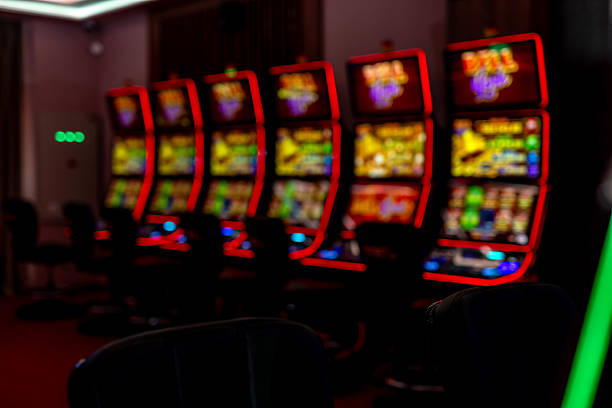
The allure of gambling in casinos largely stems from the thrill associated with risk-taking. When players step into a casino, they are greeted with an ambiance designed to evoke excitement and anticipation. The flashing lights and ringing sounds of slot machines create an atmosphere that heightens emotional arousal. This environment often triggers a rush of adrenaline, stimulating feelings of euphoria and excitement. As individuals gamble, they find themselves in a state of heightened awareness, making them more susceptible to the psychological phenomena associated with gambling. Furthermore, you can explore the best casino that accepts neosurf deposits to enhance your gaming experience.

In addition to the immediate thrill, the concept of reward plays a crucial role in the psychological appeal of gambling. Winning, even on a small scale, releases dopamine in the brain, a neurotransmitter linked to pleasure and satisfaction. This chemical reaction can lead to a positive feedback loop, where players seek to replicate the rewarding feeling associated with winning. The possibility of winning big often clouds players’ judgment, making them more willing to take risks, which can amplify the gambling experience.
The combination of risk and reward creates a powerful emotional cocktail that captivates individuals. While the allure of winning is a strong motivator, the associated risks provide an exhilarating challenge that many find irresistible. This psychological interplay not only explains why people gamble but also why they often return to the casino, seeking that same rush of excitement and potential reward.
The Role of Cognitive Biases
Cognitive biases significantly influence how individuals perceive and engage with gambling. One prevalent bias is the illusion of control, where players believe they have a greater chance of influencing the outcome of games than they actually do. For instance, a poker player may feel confident in their ability to read opponents, leading them to take larger risks. This bias can result in underestimating the role of luck, making the act of gambling feel more strategic and less random than it truly is.
Another bias is the gambler’s fallacy, which occurs when players believe that past results affect future outcomes in random games. For example, if a roulette wheel has landed on red several times, a player might assume that black is “due” to appear next. This misconception leads players to make irrational betting choices, reinforcing the illusion that they can beat the odds, thus enhancing their gaming experience. These cognitive biases create an environment where players feel empowered and engaged, even in the face of inevitable losses.
Ultimately, understanding these cognitive biases illuminates why people are drawn to gambling. They create narratives that justify continued play and help players maintain hope despite the house edge. By fostering these misconceptions, casinos can enhance player engagement, making the gambling experience more psychologically compelling, even as it may lead to financially detrimental outcomes for the players.
The Social Aspects of Gambling
The social environment of casinos contributes significantly to their psychological allure. Many individuals view gambling as a communal experience, often engaging with friends or strangers at gaming tables. This social aspect can make gambling feel less isolating and more enjoyable, fostering a sense of belonging. Conversations, shared experiences, and even friendly competition can enhance the overall excitement and satisfaction of the gaming experience.
Moreover, casinos often host events, promotions, and tournaments that encourage social interaction. Players frequently gather for these activities, reinforcing social ties and creating memorable experiences. This sense of community is integral to the appeal of casinos, as it combines the thrill of gambling with opportunities for social engagement. The joy derived from shared experiences can overshadow the potential pitfalls of gambling, making players more likely to return for future visits.
Additionally, casinos are places where individuals can escape their everyday lives. The bustling environment, complete with entertainment options such as live shows and dining experiences, provides a temporary refuge from reality. This escapism can be psychologically alluring, as players immerse themselves in an exhilarating world where the thrill of gambling coexists with a festive atmosphere. This multidimensional experience enhances the attraction of casinos, encouraging repeated visits.
The Impact of Marketing and Branding
Marketing plays a pivotal role in shaping perceptions and driving the allure of gambling. Casinos often employ sophisticated branding strategies that create an image of luxury, excitement, and success. Through carefully crafted advertisements, they evoke feelings of aspiration, enticing potential players with the promise of an extraordinary experience. This strategic marketing is designed to attract individuals who may be seeking not only financial gain but also the thrill of being part of an exclusive environment.
Additionally, loyalty programs and rewards systems further entice players, making them feel valued and appreciated. These programs create a sense of belonging, where frequent visitors receive perks that enhance their overall experience. By offering incentives such as free meals, entertainment, or even cashback on losses, casinos can keep players engaged and encourage them to gamble more. This manipulation of consumer psychology is a powerful tool in the gambling industry’s marketing arsenal.
Ultimately, the branding and marketing tactics employed by casinos foster an image of success and exclusivity, making them appealing destinations for potential gamblers. By creating a narrative that intertwines luxury with the thrill of gambling, casinos effectively draw in individuals seeking not just financial rewards, but a memorable experience marked by excitement and social interaction. This psychological draw can significantly influence gambling behaviors and spending patterns, reinforcing the casino’s allure.
Exploring Responsible Gambling
As the allure of gambling in casinos persists, it is essential to address the importance of responsible gaming. Understanding the psychological factors that drive individuals to gamble can help foster a more mindful approach to gaming. Education about the risks and the potential consequences of excessive gambling is crucial in cultivating a safer gambling environment. Players are encouraged to set limits on their time and spending, allowing them to enjoy the experience without falling into detrimental patterns.
Many casinos now offer resources and support for individuals seeking to practice responsible gambling. These initiatives often include self-exclusion programs, counseling, and information about the odds of various games. By promoting awareness and providing tools to manage gambling behavior, casinos can help mitigate the risks associated with excessive gambling. This not only benefits players but also enhances the reputation of casinos as responsible entertainment venues.
Ultimately, fostering a culture of responsible gambling ensures that the psychological allure of casinos does not lead to negative outcomes. By prioritizing player well-being and offering resources for responsible play, casinos can create a more sustainable environment where the excitement of gaming can be enjoyed without compromising financial security or mental health.
Discovering Online Gambling Experiences
As the gambling landscape evolves, online casinos have emerged as a prominent alternative to traditional venues. This shift offers players new experiences while retaining the psychological allure of gambling. With platforms that prioritize security and swift transactions, online casinos provide accessible options for players looking to enjoy their favorite games from the comfort of their homes. The integration of advanced technology enhances user experiences, creating engaging environments that rival physical casinos.
Moreover, online casinos often present unique features like live dealer games, allowing players to engage with real dealers in real time. This innovation captures the social aspects of gambling that many cherish, providing a sense of connection even in a virtual space. These interactive experiences can simulate the thrill of a traditional casino while offering the convenience of online play. As a result, players can enjoy a tailored experience that resonates with their gambling preferences.
In conclusion, as online gambling continues to grow, it is vital for players to remain informed about their experiences. With an emphasis on responsible gaming and secure transactions, platforms can enhance the enjoyment of online gambling while addressing the psychological allure that keeps players engaged. The fusion of technology and the traditional casino experience signifies a shift in the gambling industry, offering both excitement and safety for players seeking entertainment.